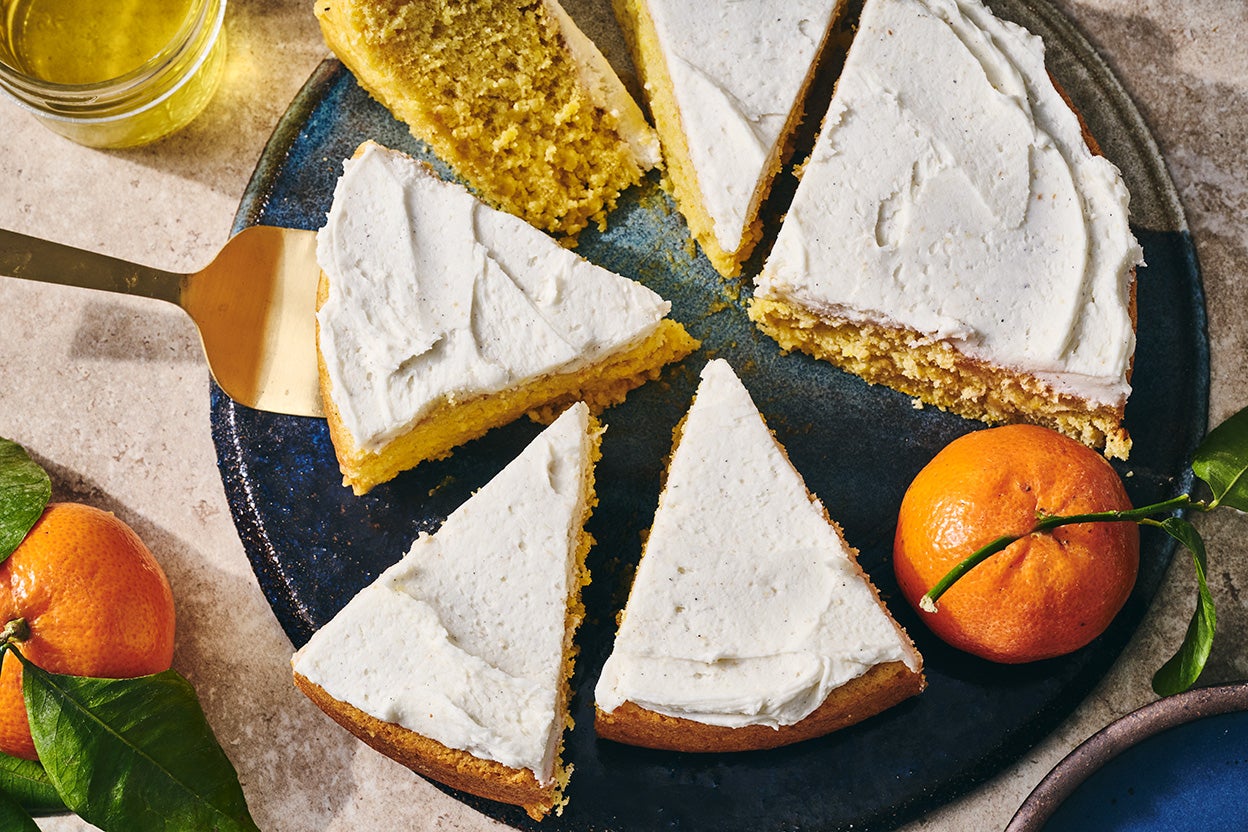
Whole Orange Cake Secrets: Intense Citrus Flavor, Super Moist
For anyone who truly appreciates the bright, zesty punch of citrus, a standard orange cake often falls short. It might be pleasant, but rarely does it deliver that exhilarating, full-bodied orange experience we crave. That’s where the magic of a *whole orange cake recipe* comes in. This isn't just a cake with orange flavor; it's a cake infused with the very essence of the fruit, from rind to pulp, resulting in an unmistakably bold taste and an incredibly moist, tender crumb that melts in your mouth. Prepare to discover the secrets behind a cake that has captivated bakers for generations, earning rave reviews at every occasion.
The Secret to Unrivaled Citrus Intensity: Whole Oranges
The core innovation that sets this particular *orange cake recipe* apart is its ingenious use of whole oranges. Forget the meticulous zesting and juicing; here, the entire fruit (barring most of the bitter white pith) is transformed into a vibrant, aromatic puree. This method captures a spectrum of flavors that simply cannot be achieved by using zest and juice alone. The essential oils concentrated in the peel, the sweet-tart pulp, and even a hint of the inner membrane all contribute to a complex, layered orange profile that is both intense and harmonious.
Why Whole Oranges Make All the Difference
- Full-Spectrum Flavor: The zest provides the sharp, fragrant citrus oils, while the pulp brings natural sweetness, acidity, and body. Together, they create a more rounded and authentic orange taste.
- Natural Moistness: The pureed fruit introduces a significant amount of natural moisture and pectin into the batter, acting as a binder and humectant. This is a primary contributor to the cake's legendary moistness.
- Depth and Nuance: Unlike extracts or simple juice, the whole fruit offers subtle undertones that elevate the flavor beyond a mere "orange" taste to something truly profound and unforgettable. If you’re seeking a cake with unforgettable bold citrus flavor, this technique is your key.
Preparing Your Oranges for Optimal Flavor
The key to unlocking this intense flavor lies in proper preparation. Many classic *whole orange cake recipes* begin by boiling the oranges. This process serves multiple crucial functions:
- Softens the Fruit: Boiling makes the oranges incredibly soft, allowing them to be easily pureed into a smooth consistency, which is vital for a fine-crumbed cake.
- Mellows Bitterness: The boiling process helps to draw out and reduce the bitterness present in the white pith and seeds, ensuring a pure, sweet orange flavor. For the purest orange flavor, it's generally recommended to remove *most* of the white pith after boiling and before processing. While some recipes suggest boiling whole and then blending, carefully removing excess pith after the first boil can make a significant difference.
- Releases Aromatics: The heat helps to release and concentrate the aromatic compounds within the orange, intensifying their presence in the final puree.
Once boiled and cooled, the softened oranges are ready for their transformation. A food processor or high-powered blender is indispensable here, breaking down the fruit into a silky-smooth puree that will form the flavor backbone of your cake.
Achieving That Super Moist Texture: Beyond Just Oranges
While the whole oranges are undeniably the star, delivering both flavor and a remarkable level of moisture, several other factors contribute to the *super moist orange cake* experience. This isn't just a cake that's "not dry"; it's a cake that's truly tender, rich, and stays fresh for days.
The Orange Puree's Role in Moisture
The natural oils, juices, and fiber from the pureed whole oranges are powerful humectants, meaning they attract and retain moisture. This built-in hydration system is far superior to relying solely on liquid ingredients. It helps create a cake crumb that is dense yet tender, never crumbly or dry. This is a primary reason why this particular *orange cake recipe* is so celebrated for its longevity and moistness. For an even deeper dive into this, explore
Achieve Super Moist Orange Cake with Whole Oranges: Easy Guide.
Additional Moisture Enhancers and Techniques
To ensure your whole orange cake reaches its peak of moist perfection, consider these elements:
- Quality Fats: Using the right fat, often a neutral oil like vegetable or canola, can contribute significantly to moisture. Oil coats gluten strands more effectively than butter, resulting in a softer, more tender crumb.
- Sugar's Contribution: Sugar isn't just for sweetness; it's also a humectant. A balanced amount of sugar in the recipe will help draw and hold moisture, keeping the cake fresh.
- Buttermilk or Yogurt: Many moist cake recipes incorporate buttermilk, yogurt, or sour cream. The acidity in these ingredients reacts with leavening agents, creating a lighter, more tender crumb, while their fat content adds richness and moisture.
- The "Secret Ingredient" – Pudding Mix: Some home bakers swear by adding a packet of instant vanilla pudding mix to their batter. As mentioned in reviews, while some recipes suggest lemon, vanilla often works best to enhance moisture and create a wonderfully tender texture without competing with the orange flavor. It helps create a denser, almost custardy crumb.
- Don't Overbake: This is perhaps the most crucial tip for any cake. Overbaking quickly zaps moisture. Keep a close eye on your cake and remove it from the oven as soon as a toothpick inserted into the center comes out with moist crumbs, not wet batter.
Crafting Your Perfect Whole Orange Cake: Tips & Tricks
Bringing this exceptional *orange cake recipe* to life is a rewarding experience. Here are some practical tips to ensure your cake turns out perfectly every time:
Choosing Your Oranges
The type of orange can subtly influence the final flavor.
- Navel Oranges: Sweet and readily available, they provide a classic, vibrant orange flavor.
- Valencia Oranges: Often juicier and with a thinner rind, they are excellent for baking, offering a slightly different aromatic profile.
- Blood Oranges: For a unique twist and beautiful hue, blood oranges can be used, offering a berry-like undertone.
Always opt for organic, unwaxed oranges if possible, as you'll be using the rind. Wash them thoroughly before boiling.
Pith Management
While the goal is to use the whole orange, the majority of the white pith (the bitter layer between the zest and the fruit segments) should be minimized. After boiling, carefully scrape out any thick pith, but don't obsess over removing every last bit; a little adds to the complexity without causing excessive bitterness. The seeds should definitely be removed.
Processing for Perfection
Whether you use a food processor or a blender, the goal is a perfectly smooth puree.
- Food Processor: Often better for thicker purees, ensuring all solids are broken down. You might need to add a splash of water or juice if the mixture is too thick to process smoothly.
- Blender: Excellent for achieving very smooth liquids. If your oranges are very soft, a blender might work wonderfully.
Ensure there are no discernible chunks of orange peel left; a smooth puree equates to a smooth cake crumb.
Elevating the Experience: Glazes and Frostings
While this *orange cake recipe* is delicious plain or dusted with powdered sugar, a simple glaze or frosting can elevate it further:
- Simple Orange Glaze: A mix of powdered sugar and fresh orange juice creates a bright, tangy topping that complements the cake beautifully.
- Orange Buttercream: For a richer indulgence, an orange-infused buttercream takes the cake "over the top," adding a luxurious texture and an extra burst of citrus.
- Cream Cheese Frosting: A classic cream cheese frosting, perhaps with a hint of orange zest, offers a delightful tangy counterpoint.
Serving Suggestions & Pairing Ideas
This *whole orange cake* is incredibly versatile and suitable for a variety of occasions. It’s the kind of dessert that elicits "rave reviews" and is perfect for a special gathering or simply to brighten an ordinary day.
- Tea Parties & Showers: Its elegant flavor and moist texture make it a sophisticated choice for afternoon tea or celebratory brunches.
- Dinner Parties: Serve a slice with a dollop of crème fraîche or a scoop of vanilla bean ice cream for a memorable dessert.
- Everyday Indulgence: Enjoy a slice with your morning coffee or as an afternoon treat. The intense citrus flavor is wonderfully uplifting.
- Pairings: Consider pairing it with fresh berries, candied orange peel, or even a light drizzle of chocolate sauce for a touch of decadence.
The fact that this cake can last more than a day (though many confess it's hard to resist!) is a testament to its incredible moisture and flavor. It’s a recipe that often gets passed down through families, a true testament to its enduring appeal.
In conclusion, the secrets to an intense citrus flavor and a super moist texture in an orange cake lie in embracing the whole fruit. By carefully preparing and pureeing whole oranges, you unlock a depth of flavor and a level of moisture that transforms a simple cake into an extraordinary culinary experience. This *orange cake recipe* isn't just a dessert; it's a celebration of citrus, promising a slice of sunshine with every tender bite. Don't just make an orange cake, craft a masterpiece that will be talked about long after the last crumb is gone.